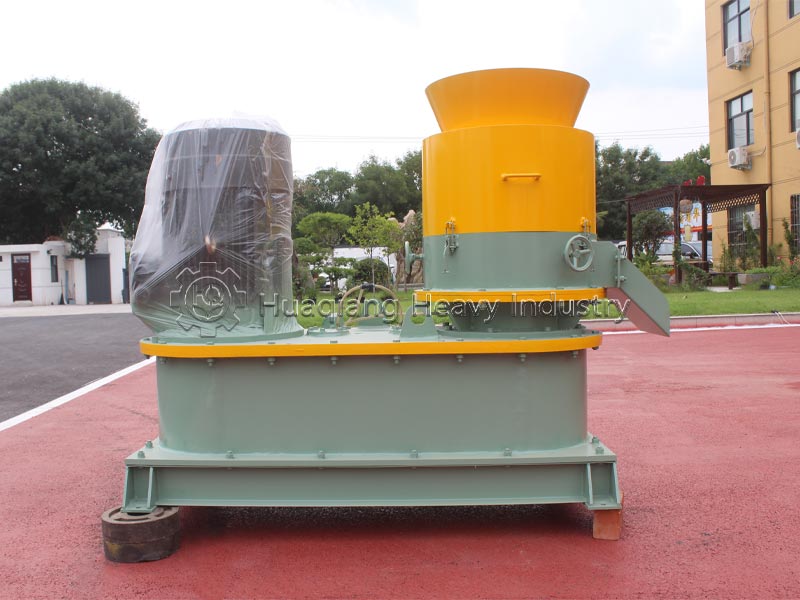

The core of an NPK blending fertilizer production line is physical mixing, where nitrogen, phosphorus, and potassium fertilizers are stirred and mixed in proportion. The process is simple and involves no chemical reactions. The core of a bio-organic fertilizer production line is biological fermentation and composting, which renders animal and plant materials harmless before granulation and other processes. This process emphasizes microbial transformation.
The two differ significantly in raw materials, core processes, equipment configuration, and product attributes. Specific differences are as follows:
1. Different Raw Materials: NPK blended fertilizer uses chemical single-element fertilizers such as urea, ammonium phosphate, and potassium chloride as raw materials; organic fertilizer uses organic materials such as livestock and poultry manure, straw, oilseed cake, and kitchen waste as core raw materials.
2. Different Core Processes: Blended fertilizer production lines do not have a composting step; the core process is batching → mixing → packaging, with some screening processes, all done physically. Organic fertilizer production lines involve raw material pretreatment → high-temperature aerobic fermentation and composting → crushing → granulation → drying and cooling. Fermentation and composting are crucial, requiring control of temperature, humidity, and the fermentation cycle.
3. Equipment Configuration Differences: Blended fertilizer production lines primarily utilize precision batching equipment (electronic batching scales), horizontal mixers, and finished product packaging machines, but lack fermentation and drying/cooling equipment; organic fertilizer production lines require fermentation turning machines, crushers, granulators (disc/granulator), and drying/cooling machines, with relatively less stringent requirements for batching equipment.
5. Production Environment and Cycle Differences: Blended fertilizer production is odorless, has a short cycle (a batch is completed in minutes), and can be operated continuously; organic fertilizer fermentation produces an odor, has a long production cycle (15-30 days for composting), initially involves batch fermentation, and can be processed continuously thereafter.