

Call us
+86-18703630069
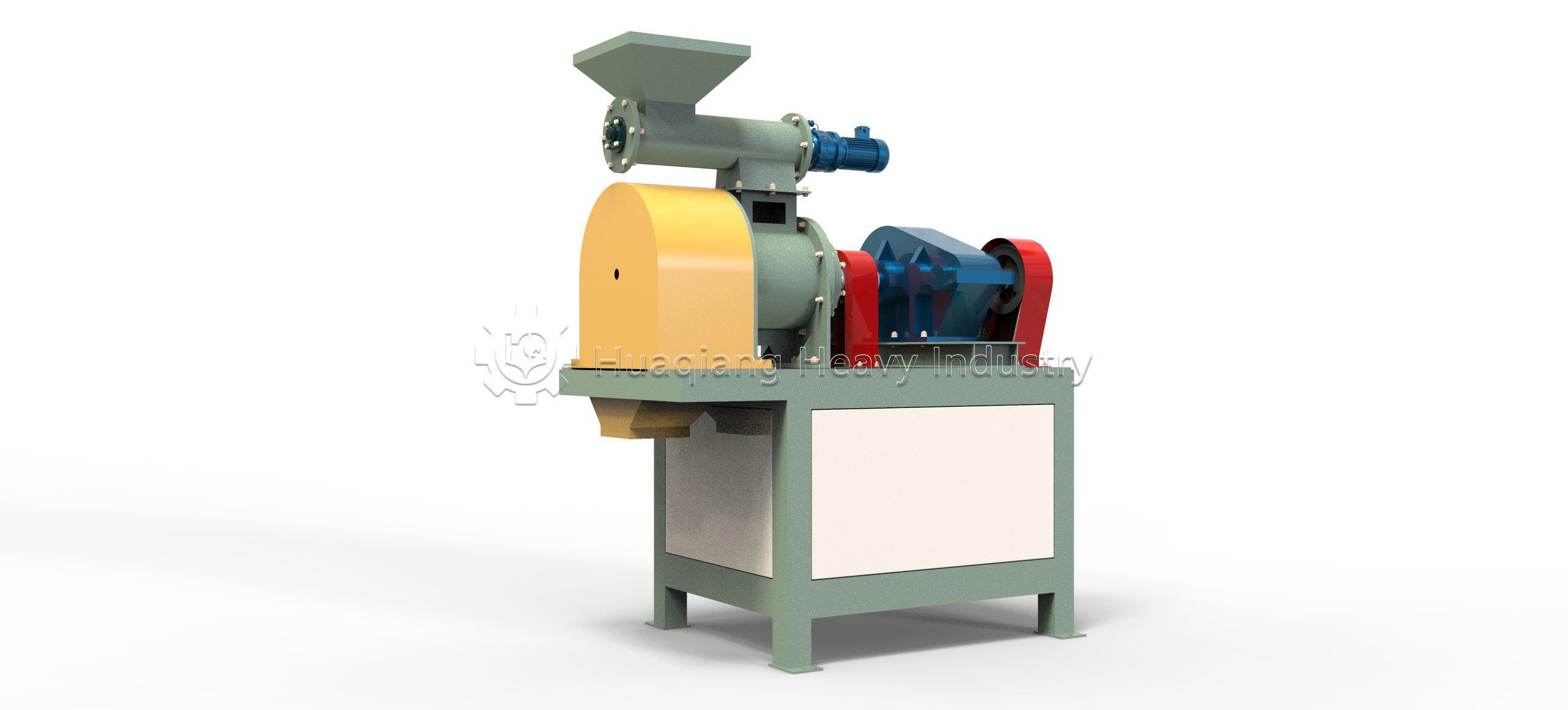
Ring Die Pelleting Machine
The ring-die pellet mill is a core piece of pelletizing equipment used in feed processing, organic fertilizer production, and the biomass energy sector. It operates on the principle of extrusion molding, utilizing the relative rotation between a ring die and press rollers to compress powdered materials into pellets. Distinguished by high output, efficiency, superior pellet quality, and a high degree of automation, the ring-die pellet mill is the preferred choice for large-scale industrial production.
Hardware Configuration and Component Functions
The hardware components of a ring-die pellet mill primarily include:
(I) Ring die: The core component determining pellet specifications. It is a hollow cylinder featuring numerous radial through-holes. Materials typically include high-quality alloy steel, chromium steel, or carburized stainless steel, with a surface hardness reaching HRC 58–65.
(II) Press roller: The key component for applying extrusion pressure. These are cylindrical rollers, usually featuring a toothed or grooved outer surface, and are manufactured from high-quality wear-resistant steel. Typically, there are two or three rollers evenly distributed inside the ring die.
(III) Drive system: Includes the main motor, gearbox, drive shaft, and gear system.
(IV) Feeding and conditioning system: Includes the feeder, conditioner, and steam system.
(V) Cutter and discharge system: Includes the cutter and the discharge outlet.

Competitive Comparison and Unique Advantages
Compared to other pelletizing equipment, ring-die pellet mills offer significant advantages:
Compared to flat-die pellet mills, ring-die models deliver higher output and lower power consumption, making them the dominant choice for large-scale feed processing; they operate at higher speeds, resulting in greater production efficiency; and they utilize a mechanical forced-feeding system, offering a higher degree of automation.
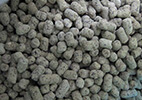
Key advantages: ① High output, with a single unit capable of producing 0.5–10 tons per hour; ② Low power consumption and reduced energy use per unit of product; ③ High-quality pellets characterized by high density, hardness, and a smooth surface finish; ④ High level of automation, enabling continuous production; and ⑤ High-temperature conditioning that eliminates pathogenic microorganisms, thereby enhancing product safety.
Application Landscape and Audience Distribution
Ring-die pellet mills serve a wide range of applications and user groups:
Feed processing enterprises: Producing various pelleted feeds for livestock, poultry, and aquaculture using raw materials such as corn, soybean meal, crop stalks, grass, and rice husks.
Livestock and poultry farms (including specialized breeders): Establishing in-house feed production lines to manufacture pellets for pigs, cattle, sheep, rabbits, chickens, ducks, and fish.
Organic fertilizer manufacturers: Producing bio-organic fertilizer pellets from materials such as livestock manure and crop stalks.
Biomass energy companies: Producing biomass fuel pellets from materials like wood chips and crop stalks.
Chemical, pharmaceutical, and food industries: Granulation processing of various powdered materials.
Scope of Materials and Production Capacity Overview
Ring-die pellet mills accommodate a wide range of raw materials. Feed materials include corn, soybean meal, crop stalks, grass, and rice husks. Biomass materials include sawdust, rice husks, cotton stalks, cottonseed hulls, and weeds. Fertilizer materials include bio-bacterial fertilizers, organic fertilizers, and compound fertilizers. Production capacity ranges from 0.5–1.5 tons per hour for the SZLH25 model to 4–10 tons per hour for the SZLH400 model. Pellet diameters range from 1.5 mm to 12 mm.

Operational Mechanism and Granulation Principle
The operating mechanism of a ring-die pellet mill is based on extrusion molding between the die and the rollers. The ring die is driven by a power source to rotate actively, while the pressure rollers rotate passively, driven by the friction of the material situated between them and the die. Under intense compression between the ring die and the rollers, the material is gradually compacted and forced into the die holes, where it takes shape. In the process of feed pelletizing, the material first undergoes steam conditioning to gelatinize starch and denature proteins; the conditioned material then enters the compression chamber, where it is formed into cylindrical pellets under the pressure of the ring die and rollers, before being cut into uniform pellets by a cutter.
Coordination between the Quenching and Tempering Process and the Production Line
The conditioning process at the front end of the ring die pellet mill is crucial to the pelletizing outcome. Conditioning involves introducing steam to the material to adjust its temperature and moisture content. This process initiates starch gelatinization under optimal temperature and moisture conditions, thereby enhancing the material's binding properties; simultaneously, it eliminates pathogenic microorganisms, thereby improving product safety. Upstream equipment may include a grinder, dosing scale, and mixer, while downstream equipment may include a cooler, crusher, grading screen, and packaging scale, forming a complete pellet production line.
Ring Die Pellet Mill Models and Specifications
| Organic Fertilizer Ring Die Pellet Machine | ||
| Model | HP-450 | HP-650 |
| Capacity (t/h) | 2-5 | 4-8 |
| Pelleting Rate (%) | >95% | >95% |
| Motor Power(Kw) | 30+1.5 | 55+3 |
| Dimension(mm) | 2150*1350*2200 | 2500*1350*2535 |