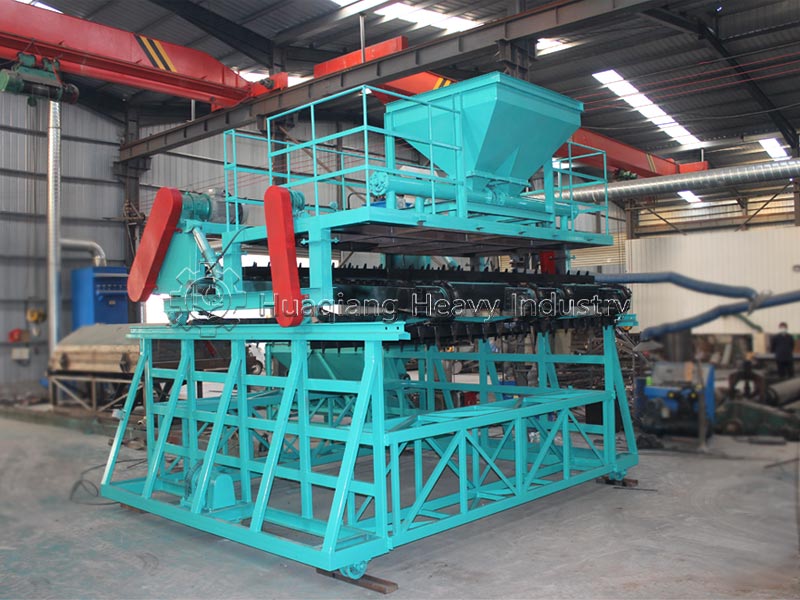

Chain compost turning machines operate in a high-humidity, high-dust, and heavy-load fermentation environment. If bearings overheat and are not addressed promptly, it can trigger a series of cascading failures, severely impacting the normal operation of the entire organic fertilizer production line.
The most direct hazard of bearing overheating is accelerated wear of internal components. Excessive temperature causes rapid dilution and loss of lubricating oil, resulting in scratches, pitting, and even metal seizing on the balls and raceways, directly rendering the bearing unusable and requiring machine shutdown for replacement, increasing maintenance costs and replacement frequency.
Overheating can cause the shaft to deform, leading to bending and misalignment of the main shaft. This causes the entire machine to shake, exacerbating uneven stress on the chain plates, transmission gears, frame, and other related components, triggering cascading wear. This can shorten the machine’s lifespan or even cause main shaft breakage and frame deformation.
Overheating also increases the equipment’s operating resistance, causing a continuous increase in motor load, resulting in excessive current, frequent overload trips, and even burnt-out motor coils, leading to more serious equipment failures and significantly extending maintenance periods. Meanwhile, malfunctions can directly disrupt the turning and turning operation, preventing timely aeration of the material in the fermentation tank. This leads to anaerobic fermentation, slow heating, incomplete decomposition, and even problems such as foul odors, burning, and clumping, severely impacting the quality of organic fertilizer fermentation and production progress.
Furthermore, sudden seizure malfunctions can break the drive chain and damage the chain plate assembly, causing the entire machine to shut down. Prolonged occurrences not only increase maintenance labor costs but also delay production schedules, reducing the overall capacity and economic benefits of the organic fertilizer fermentation production line. Therefore, any bearing overheating must be investigated and addressed promptly to prevent minor malfunctions from escalating into major problems.