
Producing NPK fertilizers using NPK bulk blending machine requires following the core process of raw material pretreatment → precise proportioning → uniform mixing → screening and packaging → finished product warehousing. The specific steps are as follows:
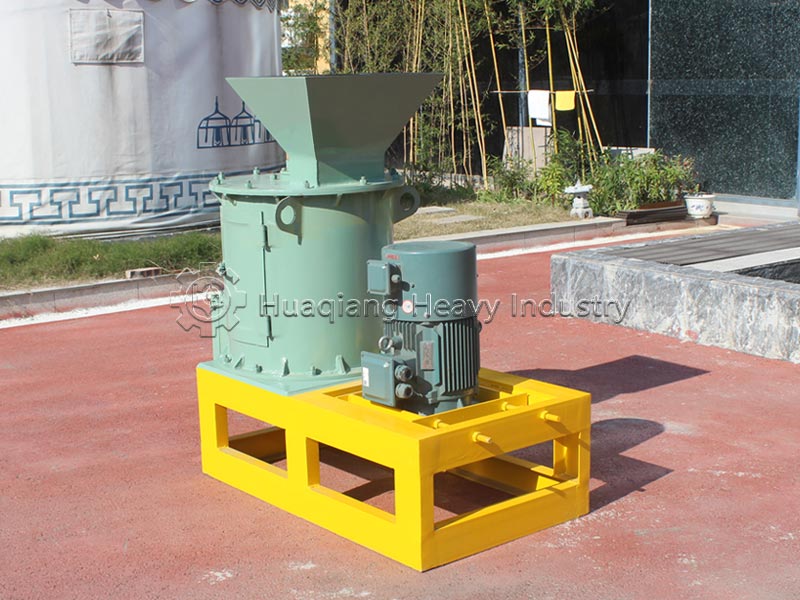
1. Raw Material Pretreatment: Single-element fertilizer raw materials such as urea, ammonium chloride, monoammonium phosphate/diammonium phosphate, and potassium chloride/potassium sulfate are crushed to a fineness of 80-100 mesh using a pulverizer, while removing hard impurities such as stones and metals; if trace elements or biological agents need to be added, they should be ground to a suitable particle size in advance to avoid affecting mixing uniformity.
2. Precise Proportioning: According to the target formula of the NPK blending fertilizer production line, the intelligent proportioning system uses high-precision weighing sensors to automatically transport each raw material to the mixer in the correct proportions. The proportioning accuracy is controlled within ±0.2%-±0.5%, ensuring that the nitrogen, phosphorus, and potassium nutrient ratios meet the standards.
3. Uniform Mixing: The prepared raw materials are sent to a twin-shaft mixer or horizontal ribbon mixer to ensure a coefficient of variation (CV) of less than 5% for material mixing uniformity; if producing functional blended fertilizers, controlled-release coating agents and biostimulants can be added simultaneously during the mixing stage to increase the added value of the fertilizer.
4. Screening and Packaging: The mixed materials are screened by a vibrating screen to remove agglomerated particles and fine powder, ensuring uniform particle size of the finished product; qualified materials are sent to an automatic packaging machine, weighed and bagged according to 25kg/50kg specifications, and labels containing nutrient content and production date are attached.
5. Finished Product Warehousing: The packaged fertilizers are stacked in the warehouse by batch. The warehouse should be kept dry and ventilated to prevent the fertilizer from absorbing moisture and caking, which would affect product quality.