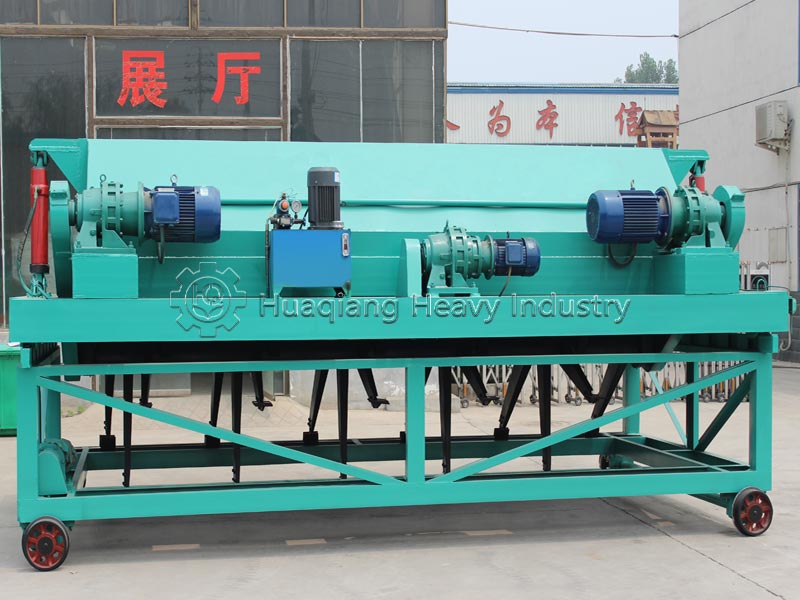

For hydraulic compost turning machines, effective management of hydraulic fluid is the fundamental cornerstone. Always use the anti-wear hydraulic oil specified by the manufacturer, adjusting the viscosity seasonally—specifically, use low-temperature hydraulic oil during the winter months. Regularly check the oil level and maintain the standard level within the reservoir to prevent the pump from running dry or ingesting air. Strictly control fluid cleanliness; thoroughly clean the reservoir and piping whenever installing a new system or performing an oil change. Install high-precision filter elements and replace them according to the prescribed schedule. Prevent the ingress of dust and rainwater to avoid fluid emulsification and deterioration, which can lead to valve blockages, operational stuttering, and overheating.
Implement standardized oil temperature management to prevent high-temperature aging. Before commencing operations, perform a no-load warm-up for 5–10 minutes; strictly prohibit starting the machine under full load while the system is cold. During the summer, inspect the cooler’s heat-dissipation surfaces to remove dust and debris, ensuring unimpeded airflow. Maintain the oil temperature within the range of 40–60°C; if the temperature exceeds this limit, shut down the machine to allow it to cool before resuming operations. Excessive oil temperatures accelerate the aging of seals and the oxidation of the hydraulic fluid, potentially triggering internal leakage and a loss of hydraulic power.
Conduct daily inspections of seals and hydraulic lines. At the start of each shift, inspect oil pipe joints, flanges, and cylinder oil seals; if any oil seepage is detected, immediately tighten or replace the affected components. Periodically spot-check high-pressure hoses; if any signs of aging, bulging, or cracking are observed, replace them immediately to prevent hose ruptures and subsequent operational shutdowns. Check the hydraulic cylinders for any signs of erratic movement (shaking) or pressure decay during extension and retraction; if internal leakage exceeds acceptable limits, promptly repair the valve assemblies and seals.
Practice proper operating procedures to minimize system stress and protect components. Strictly prohibit attempting to force the compost turning process if the machine becomes jammed by hard materials, as overloading can cause shock damage to the pump and valves. Ensure smooth starts and stops, avoiding abrupt or violent manipulation of the control valves to minimize hydraulic shock. Periodically adjust the pressure relief valve to its standard setting, and strictly avoid unauthorized operation at pressures exceeding the specified limits.
Establish a comprehensive maintenance log to track scheduled oil changes and the calibration of hydraulic components. During the rainy season, implement robust waterproofing and moisture-proofing measures for the electrical control cabinet and hydraulic station to proactively mitigate common issues such as oil leaks, insufficient pressure, and excessive oil temperatures at the source.