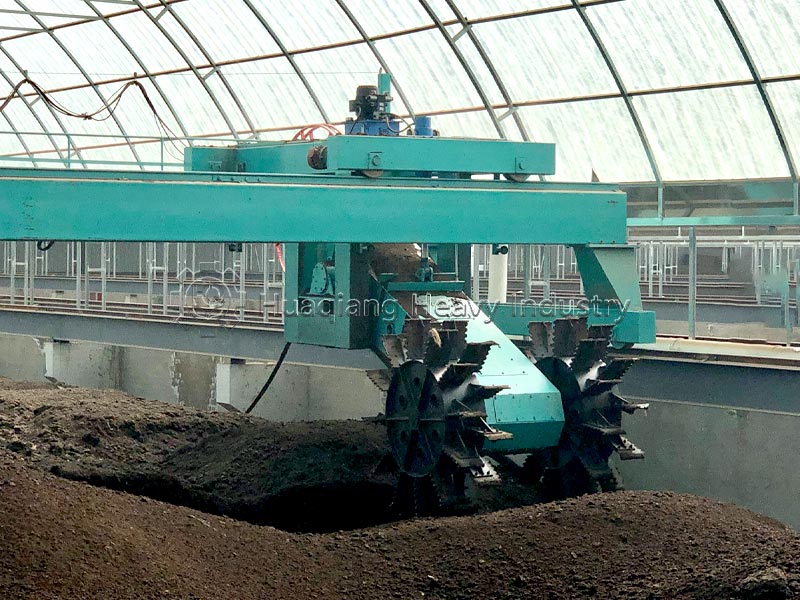

The core of NPK blending fertilizer production line operation and management revolves around precise formulation, collaborative processes, and closed-loop quality control. Through comprehensive management of the operation and production processes of NPK bulk blending machine, the production line is guaranteed to be continuous and efficient, producing qualified products. Specific key points are as follows:
1. Raw Material Management: Upon arrival, raw materials are inspected for nutrient content, particle size, moisture content, and other indicators to ensure they match the formulation. They are stored in sealed, zoned areas using a first-in, first-out (FIFO) system, with measures taken to prevent moisture and mixing. Batch records are established to avoid production deviations from the source.
2. Equipment and Batching Management: High-precision batching scales in the NPK blended fertilizer equipment are calibrated regularly. The formulation is entered into the automated system and encrypted. Precise feeding is achieved using equipment, controlling batching errors within ±0.5%. Samples of each batch are retained to ensure zero deviation in formulation execution.
3. Production Process Control: Link the feeding, mixing, and screening of NPK blending machine, setting standardized operating parameters and strictly controlling mixing time and screening accuracy; maintain stable feed rates to avoid process disruptions leading to material blockage and uneven mixing; and maintain accurate records of each process connection.
4. Finished Product Quality Control: Sample each batch of finished product for testing indicators such as nutrient content and particle uniformity; only qualified products are released from the factory; finished products are stored in designated areas according to batch, with complete packaging information to achieve full production traceability.
5. Equipment Operation and Maintenance Control: Establish inspection and maintenance logs for NPK blending fertilizer equipment, check operating status daily, promptly clean adhering materials and troubleshoot malfunctions; regularly replace wearing parts and calibrate metering equipment to reduce unplanned downtime and ensure equipment accuracy and stability.