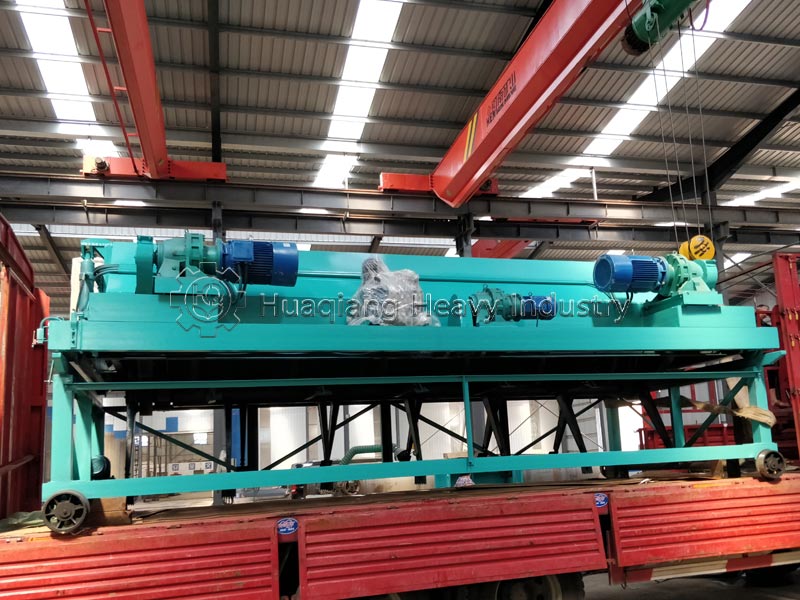

Reducing the operating costs of hydraulic compost turning machine can be approached from four aspects: energy saving and consumption reduction, maintenance reduction, process optimization, and increased utilization rate. These methods are simple, practical, and yield quick results.
First, optimize the power and hydraulic systems to reduce energy consumption. Install a frequency converter control system on the main unit to automatically adjust the speed according to the thickness of the compost pile and the fermentation stage, reducing idle load and high-power operation. Use load-sensitive hydraulic pumps to supply oil on demand, reducing overflow losses and saving 20%-35% of electricity. Simultaneously, rationally control the number of turning operations, turning the compost at temperature intervals. During high-temperature periods, turn once every one to two days, and reduce the frequency appropriately in later stages to avoid ineffective work and wasted energy.
Second, standardize maintenance to reduce repair and wear part costs. Daily cleaning of the rollers and turning teeth to remove adhering material prevents increased load and oil consumption. Regularly check the hydraulic oil, filter element, bearings, and blades, changing the oil and tightening bolts on time. Replace ordinary turning teeth with wear-resistant alloy teeth to extend the service life of the organic fertilizer fermentation production line and reduce the costs and downtime losses caused by frequent replacements.
Secondly, optimize the layout of raw materials and the site to reduce resistance consumption. Pre-crush and uniformly mix raw materials to reduce turning resistance and prevent equipment overload and overheating. Keep the channels flat and the tracks aligned to reduce friction during movement, saving electricity and protecting the equipment.
Finally, improve equipment utilization and save on labor and depreciation costs. Adopt multi-channel, remote-controlled automated operation to reduce manual supervision and improve operational efficiency. Avoid idling and unloaded operation, ensuring full-load operation. Combine this with a well-coordinated fermentation process to shorten the fermentation cycle, increase production capacity, reduce the operating cost per unit of organic fertilizer, and significantly improve overall economic benefits.