
Setting up an NPK compound fertilizer production line requires comprehensive planning around core dimensions such as compliance, process suitability, equipment stability, cost control, and environmental compliance. Specific considerations are as follows:
1. Initial Compliance and Site Selection
Environmental impact assessments, safety assessments, and project registration procedures must be completed first to ensure the project complies with local agricultural fertilizer production and environmental policies; site selection should prioritize areas with convenient transportation, close to raw material sources or agricultural supply markets, while reserving space for raw material storage, finished product stacking, and equipment maintenance, and being away from residential areas to avoid environmental disputes.
3. Equipment Configuration and Matching
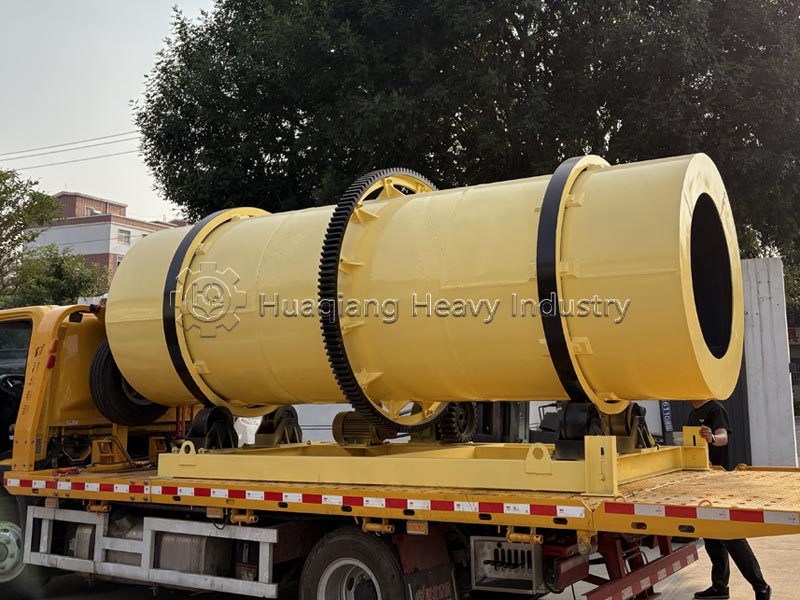
The core NPK blending machine needs to consider both production capacity matching and durability: wear-resistant crushers and vibrating screens should be selected for the raw material processing stage; a multi-bin, multi-scale dynamic batching system should be prioritized for the batching stage to improve batching accuracy; a roller extrusion granulator or rotary drum granulator should be selected for the granulation stage based on raw material characteristics; the post-processing stage should be equipped with low-temperature dryers, coolers, and coating machines to prevent nutrient loss; auxiliary equipment such as dust removal, conveying, and metering equipment should also be configured to ensure smooth operation of the entire line.
5. Environmental Protection and Safety Management
Dust and waste gas will be generated during the production process, requiring the installation of bag dust collectors and exhaust gas absorption devices; raw material and finished product storage should have measures to prevent rain, moisture, and caking, and fire fighting facilities should be installed; safety operating procedures should be established for equipment operation to avoid safety accidents caused by high-pressure and high-speed equipment.
6. Cost and Operation Planning
Calculate costs such as raw material procurement, equipment investment, energy consumption, and labor, and optimize the raw material ratio to reduce production costs; establish a regular equipment maintenance system to reduce downtime; plan sales channels in advance, connecting with agricultural supply dealers or large-scale farmers to ensure the sale of finished products.