

The hydraulic compost turner is the “powerful” component of the fermentation process, responsible for turning the material at the bottom of the compost pile to the surface and introducing fresh air. However, many operators have noticed a strange phenomenon: even after changing the hydraulic oil, the turner slows down, the oil temperature rises, and it may even crawl. The problem is often not with the oil itself, but with a neglected step after the oil change.
Changing the oil without changing the filter element is pointless. The filter element in the hydraulic system continuously traps impurities during use, and if it’s not replaced for a long time, it becomes clogged with contaminants. After changing the oil, the clean oil flows through the clogged filter element, increasing resistance, raising the system back pressure, and increasing the pump load—naturally slowing down the operation. Approximately 70% of hydraulic system failures originate from hydraulic oil problems. Correct practice: Replace the filter element simultaneously with the oil change, using the model specified in the equipment manual.
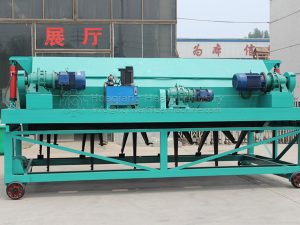
Changing the oil without venting the air causes the cylinder to crawl. After changing hydraulic oil or disassembling pipelines, air can get into the system. Air bubbles form in the oil, causing discontinuous cylinder movement—this is known as “creeping.” The correct procedure: After changing the oil, run the hydraulic system unloaded for 3-5 minutes, performing multiple full-stroke operations to purge the air.
Failure to check the cooler after changing the oil will result in persistent high temperatures. During normal operation, the oil temperature should be between 30-60℃; exceeding 70℃ should raise concern. If the cooler is clogged or the cooling fan is not working, the new oil will also heat up rapidly and oxidize. The correct procedure: Clean the cooler fins and check if the cooling fan is functioning properly when changing the oil.
Prevention is better than cure. It is recommended to check the oil quality every 500 working hours and replace the hydraulic oil and filter every 2000 hours. Early detection of abnormalities can be achieved through “listening, looking, touching, and smelling”: listen for unusual noises, check the oil level and for leaks, feel the temperature, and smell a burnt odor. This maintenance logic also applies to pallet turners. Remember: Changing the oil is just a means to an end; the goal is to keep the system “clean, unobstructed, and not overheated.”