
Fermentation is the foundational step in bio-organic fertilizer production line; the quality of decomposition directly determines the levels of organic matter and viable microbial carriers, as well as compliance with harmlessness standards. Production requires strict control over six key factors: the carbon-to-nitrogen (C/N) ratio, moisture content, oxygen supply, temperature, pile turning, and the ratio of auxiliary materials.
When formulating the raw material mix, prioritize adjusting the C/N ratio to approximately 25:1. Fresh livestock and poultry manure have high nitrogen content and must be balanced with high-fiber auxiliary materials such as straw, sawdust, or spent mushroom substrate. An unbalanced C/N ratio leads to slow temperature rise and prolonged fermentation cycles; excessive nitrogen causes foul odors, while excessive carbon results in incomplete decomposition and substandard organic matter levels in the final product. Auxiliary materials should be pulverized beforehand to prevent long straw from creating air pockets within the pile, which would hinder heat conduction.
Moisture content should be maintained between 50% and 60%; the standard is that the material forms a clump when squeezed by hand but crumbles upon hitting the ground. Excessive moisture reduces pile aeration, leading to anaerobic fermentation that generates odors and fosters pest eggs. Insufficient moisture limits microbial activity, making it difficult for the temperature to rise and significantly slowing decomposition; humidity can be adjusted during production by sprinkling water or adding dry straw.
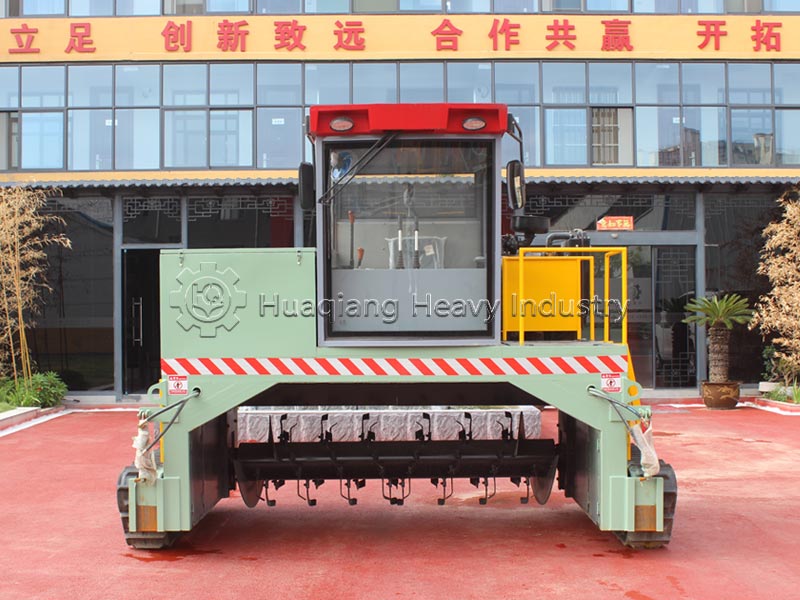
Ensuring a continuous oxygen supply is central to aerobic fermentation; a windrow compost turning machine should be used to turn the pile every 2 to 5 days. Turning breaks up clumps, replenishes oxygen, and homogenizes the internal temperature, preventing localized overheating (which can scorch the material) or stalled fermentation due to low temperatures. Pile height should be controlled between 1.2 and 1.8 meters; excessive height causes oxygen deprivation at the bottom, while insufficient height leads to rapid heat loss, making it difficult to reach the temperatures required for pathogen elimination.
Strictly monitor pile temperature. During the heating phase, maintain a temperature of 55°C to 65°C for at least seven days to thoroughly eliminate pest eggs, weed seeds, and harmful pathogens, ensuring compliance with harmlessness standards. If the temperature exceeds 70°C, turn the pile promptly to cool it down and prevent excessive decomposition and loss of organic matter. If the temperature remains below 50°C for an extended period, decomposition will be incomplete, increasing the risk of secondary fermentation and crop damage (seedling burn) when the granulated product is applied later. The fermentation period is controlled between 20 and 40 days depending on the ambient temperature; the process is considered complete when the material turns dark brown, becomes odorless, and acquires a loose texture. Materials that are not fully decomposed must not proceed to the next stage of production; using them not only results in a low granulation rate but also causes continued heat generation inside the finished bags, killing the beneficial live bacteria and leading to product failure during quality inspections. The fermentation site must be equipped with rain and seepage protection to prevent nutrient loss from rainwater runoff and to avoid water accumulation within the pile, which could create anaerobic conditions.