
These two types of production lines cater to vastly different resource, market, and budgetary profiles; you can quickly determine the right choice based on your specific circumstances. The NPK blending fertilizer production line is a “light-asset” project characterized by low initial investment, rapid deployment, a small facility footprint, and minimal environmental compliance pressure. The equipment setup requires only batching, mixing, and packaging units—eliminating fermentation, granulation, and drying stages—allowing production to commence within 30 days. It utilizes ready-made NPK granules as raw materials, ensuring a stable supply and flexible formula adjustments; the products primarily target staple crops like wheat and corn, generating profit through high-volume sales via agricultural supply channels. Production generates minimal dust (requiring only simple dust removal equipment) and creates no issues with foul odors or leachate; environmental approval is straightforward, and daily operations require only 2–3 workers with low maintenance costs. This option is ideal for entrepreneurs who lack livestock manure resources, have limited space or capital, and seek a quick return on investment.
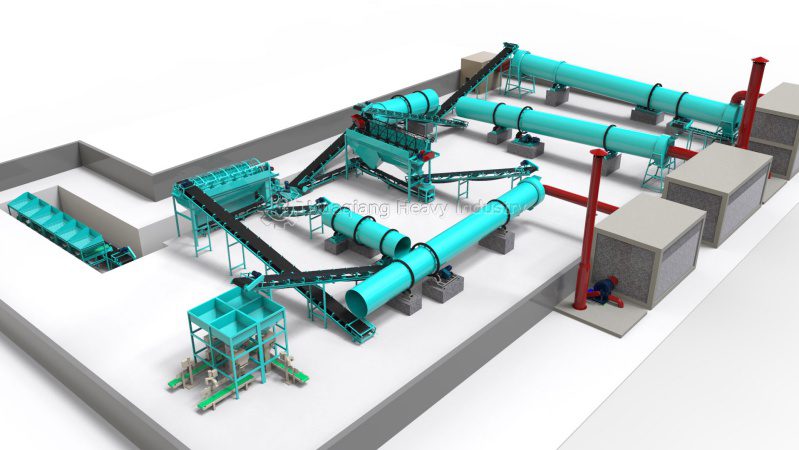
In contrast, the bio-organic fertilizer production line entails high upfront investment and a long construction period, with stringent requirements regarding site, raw materials, and environmental protection. It requires facilities for fermentation, windrow turning, crushing, granulation/drying, odor control, and seepage prevention, as well as a large area for fermentation piles; consequently, civil engineering and environmental compliance account for a significant portion of the investment. Raw materials rely on agricultural waste such as livestock manure and crop stalks—requiring a stable, local supply—and the fermentation process takes up to a month. Products target fruits, vegetables, greenhouse crops, and cash crops, focusing on soil improvement; while offering higher profit margins per unit, they also qualify for government subsidies related to manure resource utilization. The facility requires enclosed odor control and impermeable flooring; the environmental approval process is complex, and dedicated personnel are needed to manage fermentation and environmental protection equipment. This line is best suited for clients who own livestock farms or have access to abundant local manure resources, aim to penetrate the high-end cash crop market, and can sustain the costs associated with long-term capital turnover and environmental maintenance.
Choose the NPK bulk blended fertilizer line if you have limited capital and intend to target the mass market for staple crops; choose the bio-organic fertilizer line if you have access to organic raw materials, aim to produce high-end fertilizer, and prioritize higher profit margins.