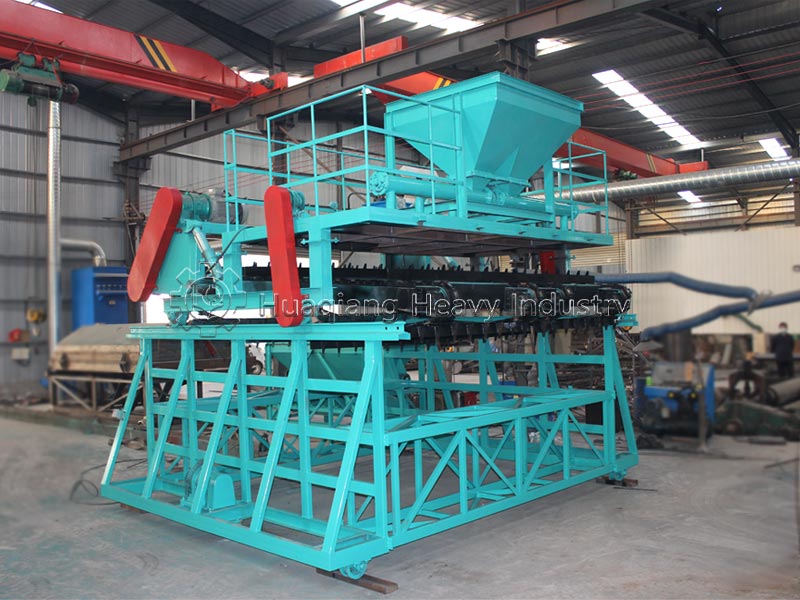

Chain compost turning machines operate in environments with high humidity, dust, and humus. Proper daily maintenance significantly extends their lifespan and reduces breakage and deformation.
First, clean the chain thoroughly after each shift. Remove any organic fertilizer residue, sludge, and weeds adhering to the chain and plate gaps to prevent material from hardening and jamming, and to avoid obstruction and uneven stress. Do not allow materials to accumulate and soak the chain for extended periods, as this can cause corrosion and rust.
Second, control the tension. Regularly check the chain tension. A moderate sag is ideal. Excessive tension increases wear and motor load, while excessive looseness can lead to tooth skipping, derailment, and misalignment. If the chain becomes stretched or slack, adjust the tail tensioning mechanism to ensure consistent tension on both sides, preventing skewed operation and wear.
Proper lubrication is essential. Use a corrosion-resistant and high-temperature-resistant chain lubricant, applying it evenly to the pins and chain links, avoiding application during the high-temperature fermentation period. Increase lubrication frequency during humid and rainy weather to isolate moisture and corrosive substances, reducing rust and jamming. Never use inferior machine oil, as this can cause dust accumulation and affect transmission.
Properly treat for corrosion and rust. When operating outdoors or in damp workshops, regularly apply rust-preventive spray to exposed chain plates and chains, and promptly grind away rust. During downtime, clean thoroughly, apply protective oil, and cover to prevent dust and moisture, avoiding prolonged oxidation and rusting.
Conduct regular wear inspections. Daily checks include inspecting chain plates for deformation, cracks, and perforations, checking for pin wear and loose bushings, and replacing links immediately if excessive gaps or severe wobbling are observed. Avoid unilateral stress to prevent chain breakage and plate drop, which could impact production. Also, avoid overloading the equipment, sudden stops and turns, reducing instantaneous impact on the chain, minimizing wear at the source, and ensuring stable equipment operation.