
The core of the pre-processing procedure for the BB fertilizer mixer is to ensure uniform raw material particle size, proper moisture content, removal of impurities, and accurate formula mixing. The specific steps are as follows:
1. Raw Material Quality Inspection and Sorting
First, the basic raw materials such as urea, monoammonium phosphate/diammonium phosphate, potassium chloride, and potassium sulfate are subjected to quality inspection to verify that the nutrient content meets the formula requirements; large impurities such as stones, metal pieces, and woven bag fragments mixed in the raw materials are manually sorted out to prevent damage to the equipment or affecting product quality.
2. Raw Material Crushing and Screening
Clumped raw materials (especially urea and ammonium chloride) are crushed, and then all raw materials are screened to a uniform particle size range (generally 2-4mm) using a vibrating screen; excessively fine powder and oversized particles are screened out to prevent stratification after mixing due to particle size differences, ensuring the uniformity of fertilizer granules.
3. Moisture Adjustment
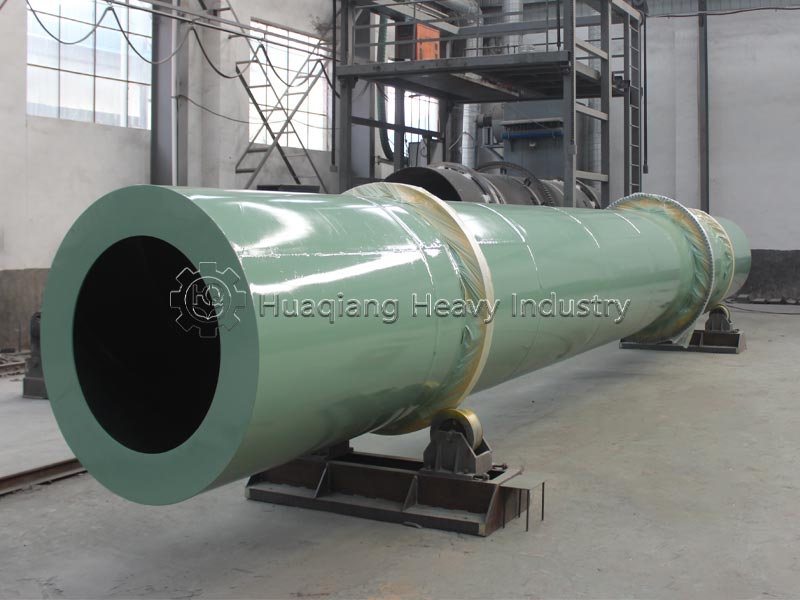
The moisture content of each raw material is tested and needs to be controlled within the range of 2%-3%; if the moisture content exceeds the standard, a drum fertilizer dryer is used for drying to prevent the raw materials from sticking to the inner wall of the mixer or clumping during the mixing process; if the raw materials are too dry and prone to dust, a small amount of water can be sprayed to increase humidity (strictly control the amount).
4. Precise Metering and Batching
According to the BB fertilizer formula ratio, the electronic weighing scales and hopper metering devices are calibrated, and the pre-processed raw materials are precisely weighed according to the ratio of nitrogen, phosphorus, potassium, and trace elements; after metering, each raw material is temporarily stored in the corresponding silo, waiting to enter the mixer.