

In the fertilizer production industry, there’s an unwritten rule: fewer processes mean fewer problems. The fertilizer roller press machine, BB fertilizer mixer, and multiple silos single-weigh static batching system form a complete “iron triangle” of dry processing—they all adhere to the principle: add water only when possible, maintain the original form as much as possible, and complete the process in one step rather than in two.
Let’s start with the subtraction of “pressure.” The core logic of the fertilizer roller press machine is “using pressure to replace water.” Traditional wet granulation requires adding water and binders, kneading the powder into clumps, and then drying it. Adding a drying step means adding an entire boiler and hot air system. The double-roller extruder feeds powder directly between two sets of counter-rotating high-pressure rollers. Pressure of hundreds of megapascals instantly compresses the powder into a dense cake, which is then crushed and screened into finished granules. The entire process requires no added water and no temperature increase, resulting in negligible moisture content in the material.
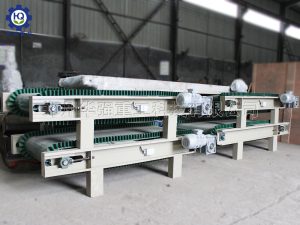
Now, let’s discuss the subtraction of “mixing.” The BB fertilizer mixer faces a more subtle problem—it doesn’t mix powder, but rather pre-formed granular fertilizer. Urea is light, phosphate fertilizer is heavy, and coarse and fine particles are mixed. If the mixing is too vigorous, brittle particles will be crushed into powder; if the mixing is too light, uneven mixing may occur. The design philosophy of this mixer is “restraint”—using a horizontal double-helix or paddle-type structure, it allows different particles to repeatedly “shake hands” within the drum through gentle convection without damaging each other.
The subtraction of “blending” is accomplished by a multiple silos single-weigh static batching system. This system simplifies the ingredient mixing process to an extreme degree—multiple hoppers are arranged in a row, each corresponding to a different raw material. The system sequentially feeds the materials into the same high-precision weighing hopper according to the formula, weighing one material at a time before moving on to the next. After all materials have been weighed, they are unloaded and sent to the mixer.