
Bio-organic fertilizer equipment and NPK blending machine differ significantly in configuration, operating characteristics, and input costs due to their different production processes.
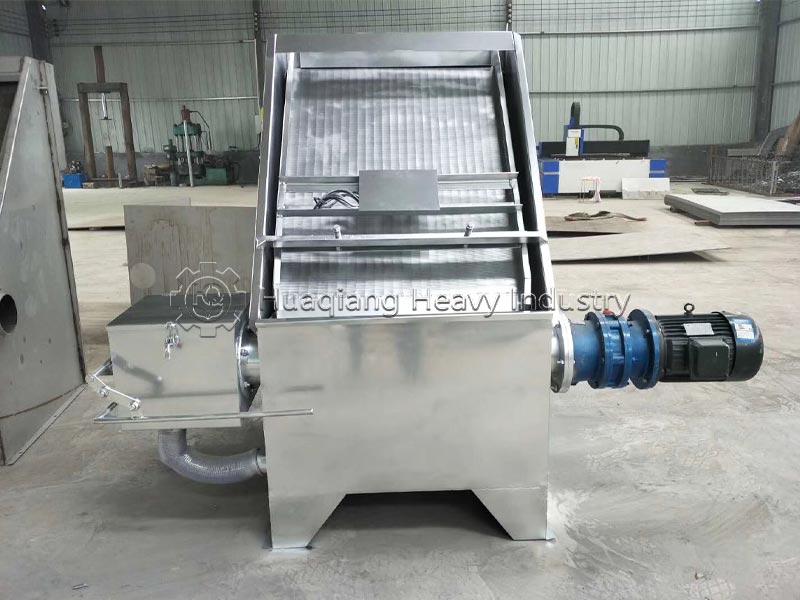
Bio-organic fertilizer production lines are centered on aerobic fermentation, using raw materials such as livestock and poultry manure and straw, which are high-moisture organic materials. They are equipped with specialized equipment such as solid-liquid separators, turning machines, and semi-wet material crushers to first dehumidify the raw materials and adjust the carbon-nitrogen ratio, followed by more than ten days of high-temperature composting and sterilization. Granulation often uses disc or stirring tooth granulators, suitable for high-moisture, viscous materials. Subsequent low-temperature drying and cooling equipment is essential, with strict temperature control throughout the process to protect beneficial bacteria. The entire production line involves many processes, large equipment size, large footprint, high energy consumption, high start-up costs, and long production cycles. It primarily focuses on the resource utilization of waste, and the finished product is rich in organic matter and live bacteria.
NPK blended fertilizer production lines only perform physical mixing and do not include fermentation or drying processes. The core components are a high-precision batching system and a specialized mixer. Accurate weighing ensures the correct nitrogen, phosphorus, and potassium ratio. The raw material is dry fertilizer granules with good flowability. The equipment is simple in structure, compact in size, and allows for flexible formula changes. A single batch production takes only tens of minutes, with low energy consumption, a small footprint, low initial investment, and a quick return on investment. This production line emphasizes uniform nutrient mixing, resulting in a high-concentration nutrient product free of organic matter and microorganisms.
In short, the former focuses on fermentation and composting, wet material treatment, and live bacteria protection, resulting in a complex process and higher investment. The latter emphasizes precise proportioning and rapid mixing, offering a simple, efficient, and low-cost process. The choice between these two types of equipment depends on the raw materials and product positioning.