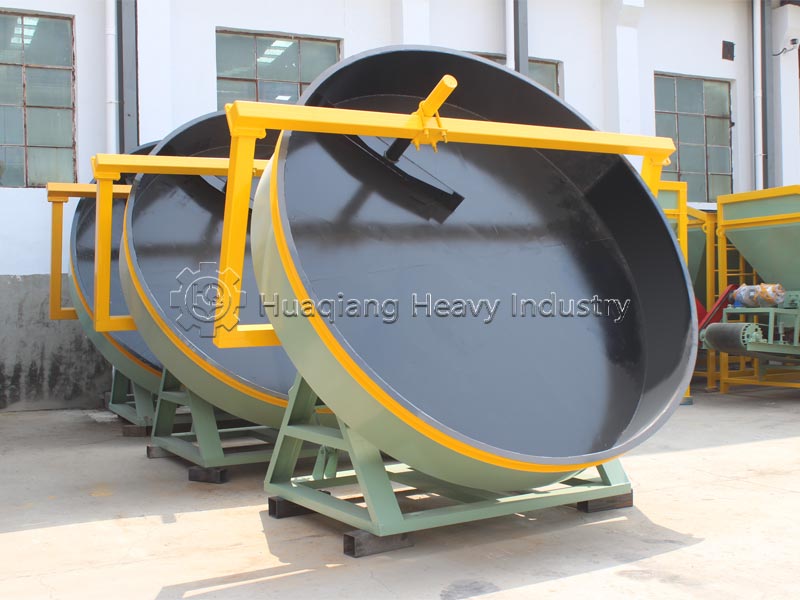

To maximize market integration, NPK compound fertilizer production lines need to build a comprehensive competitive advantage centered on customization, intelligence, green practices, and service. On the product side, focus on crop-specific formulations, develop functional fertilizers such as slow-release and humic acid types, strictly control biuret and heavy metal content, adapt to high-tower/spray granulation processes, ensure granule strength and uniformity, and create differentiated barriers. In the production process, promote DCS+MES+ERP digital control, combined with core equipment such as horizontal fertilizer mixers and half-wet material crushers, to achieve rapid formula switching within 30 minutes, supporting flexible production of small batches and multiple varieties. Simultaneously, employ fully enclosed dust removal and low-noise design to meet environmental protection and “dual carbon” requirements, increasing the first-pass yield to 99.6% and reducing unit energy consumption by 9.8%.
In terms of channels and services, establish a three-tiered network of “regional central warehouses + county-level service providers + township agricultural service stations,” promoting the transformation of distributors into crop nutrition consultants, providing closed-loop services such as soil testing and fertilizer application via drones, jointly building demonstration fields, and disseminating yield-increasing results through short videos to enhance customer loyalty and brand premium. In the supply chain, follow the “local production” principle to arrange production capacity, secure long-term supply of raw materials such as ammonium phosphate and potassium chloride, use futures to hedge against price fluctuations, and reduce maintenance costs by 30% through modular quick-change wear parts.
Furthermore, closely follow fertilizer reduction policies to secure subsidies, expand into emerging markets such as Southeast Asia and the Middle East, collaborate with research institutions to develop slow-release materials, and innovate a “fertilizer + service + data” subscription-based business model to solidify long-term market competitiveness.